
What This AI Actually Is
This platform functions as an autonomous AI execution layer for laboratory and LIS environments.
It does not replace the LIS, sit outside it, or act as a passive interface. Instead, it operates as a native operational layer alongside existing LIS systems, executing communication, coordination, and follow-up workflows in real time.
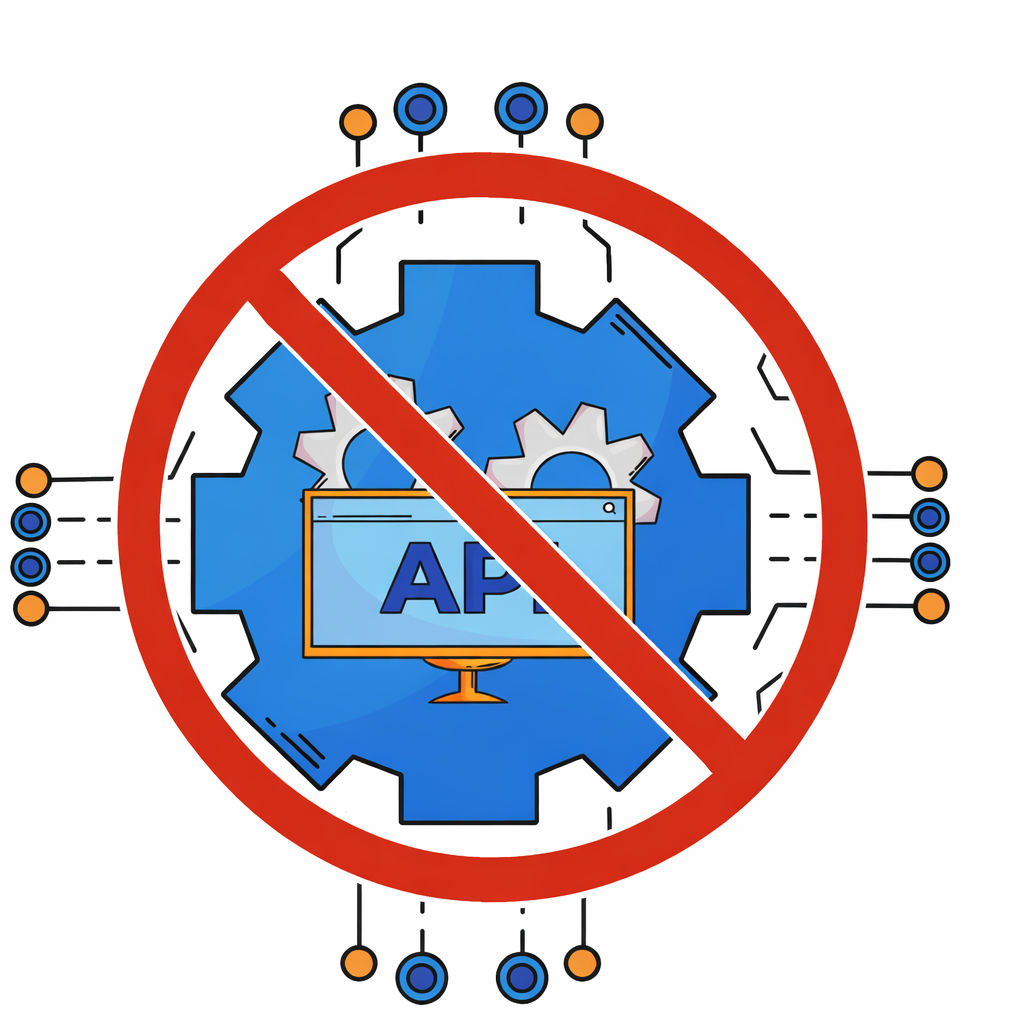
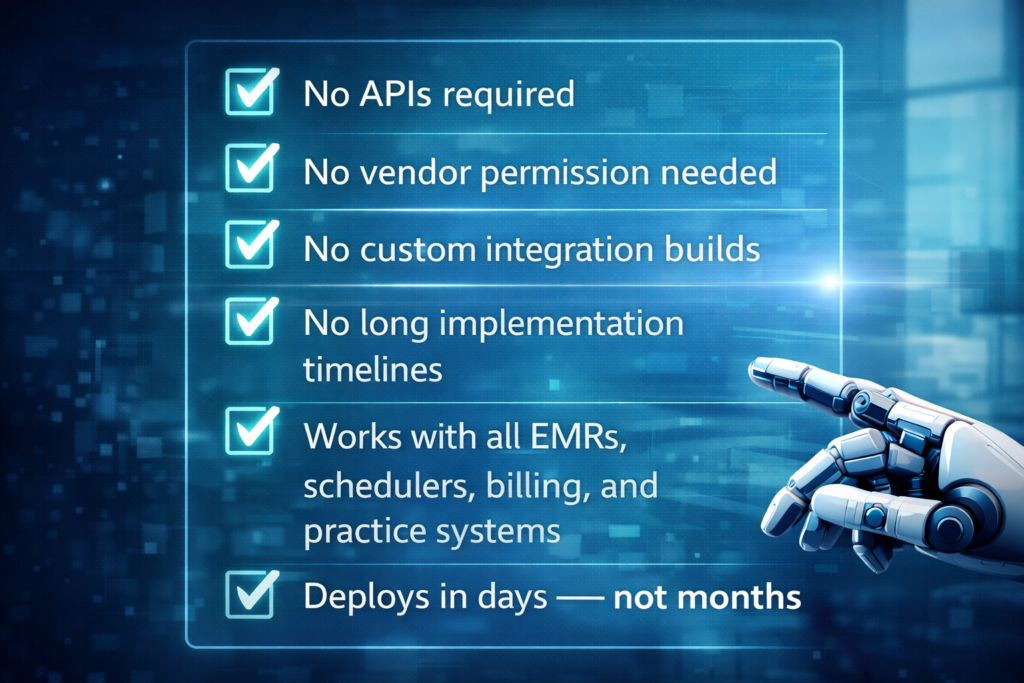
Using patent-pending integration-bypass technology, the system performs tasks inside real operational workflowswithout relying on traditional APIs, vendor permissions, or custom builds.
The result is execution — not routing, not logging, not alerts.
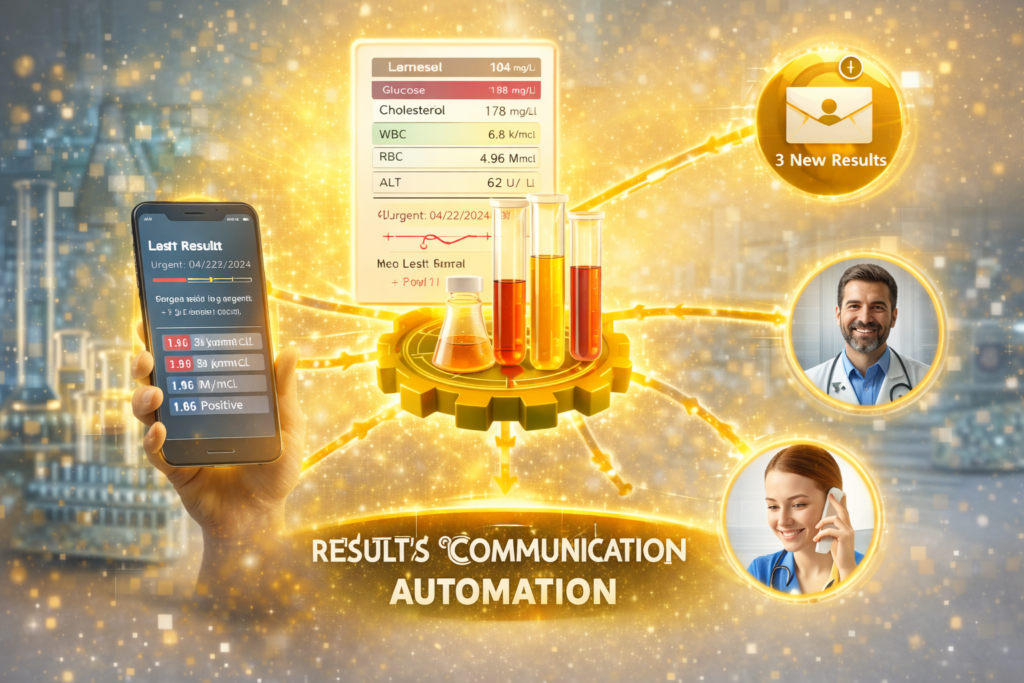
Scaling laboratory operations through autonomous AI execution — without disrupting existing LIS systems
The Lab-Specific Problem
Laboratories operate in a fundamentally execution-heavy environment. High testing volume, multi-provider relationships, time-sensitive results, and regulatory obligations create constant operational pressure.
Inbound provider calls, patient result inquiries, follow-ups on incomplete or abnormal tests, and repeated status requests consume staff time and slow throughput. While portals and traditional automation tools help at the margins, they rarely reduce call volume or eliminate manual follow-up.
The issue is not access to information — it is the inability to execute coordination and communication workflows at scale without pulling staff away from core lab operations.
- Patient result notifications and follow-up outreach
- Provider status inquiries and test progress resolution
- Follow-ups on incomplete, pending, or abnormal results
- Routine operational workflows that traditionally require manual staff intervention
Each workflow is carried through to completion, not handed back to lab staff for resolution.
The Differentiator — API Bypass
Unlike most AI and automation tools that depend on direct LIS or EMR APIs, this platform uses a patent-pending integration-bypass architecture. This allows it to operate alongside legacy LIS systems, lab portals, and custom environments without extensive development or vendor dependency.
More importantly, eliminating API dependency allows the system to function as a true closed-loop execution layer, completing workflows end to end rather than stalling at system boundaries.
This enables laboratories to:
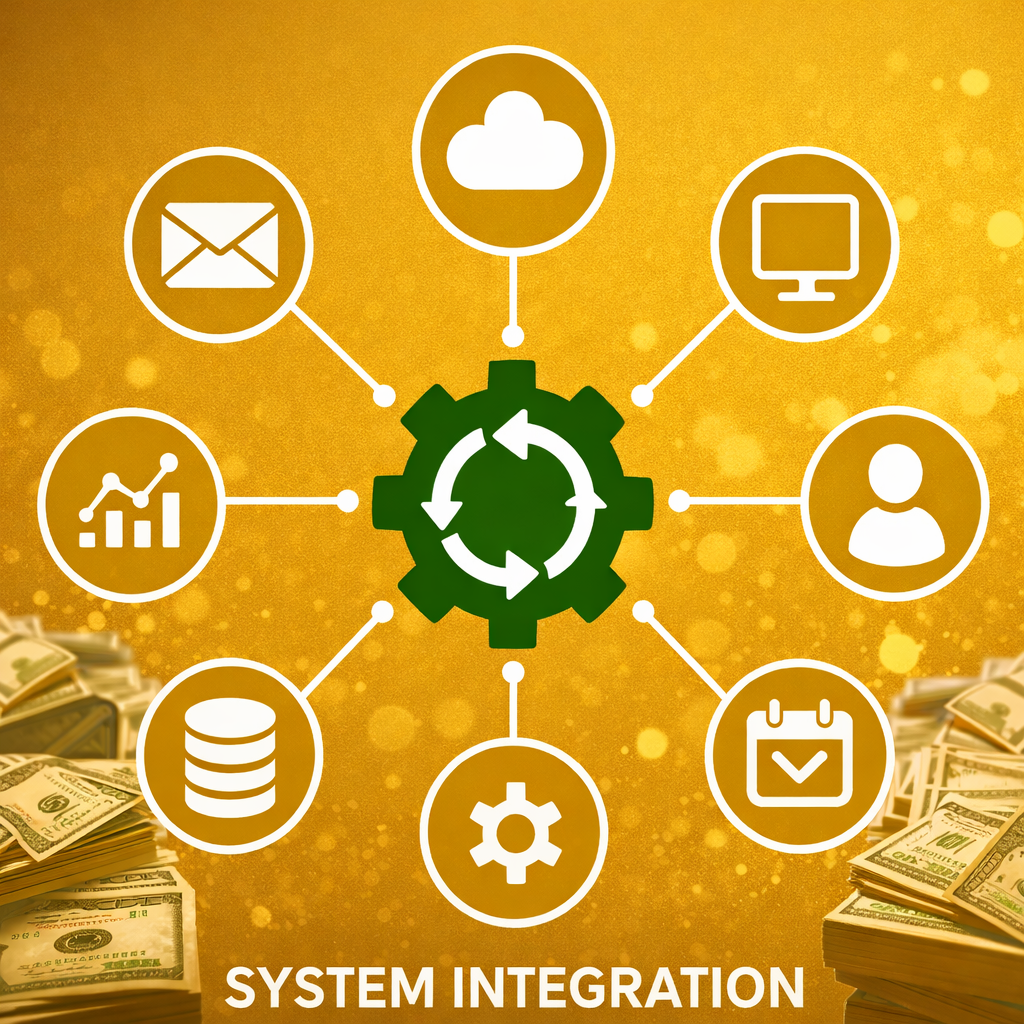
- Deploy quickly across multiple providers and systems
- Minimize integration complexity and ongoing IT burden
- Scale communication and follow-up workflows reliably
- Maintain operational continuity while modernizing execution
This is particularly valuable for labs supporting multiple EMRs, outreach clients, and regional provider networks.
Operational Impact
At its core, this platform is designed for autonomous AI task execution inside laboratory operations.
By completing communication, follow-ups, and routine coordination workflows without staff intervention, laboratories consistently achieve:
- Reduced inbound call volume from providers and patients
- Faster resolution of routine inquiries
- Improved compliance on abnormal and incomplete result follow-up
- More predictable operations without adding staff
- Scalable support across multiple clients and systems
Most LIS tools manage information.
This system executes the work.
If you are responsible for laboratory operations, LIS performance, or provider support, this AI execution layer offers a practical way to modernize communication and coordination workflows without disrupting existing systems.
Let’s discuss whether this execution model fits your lab environment.
